





The Wire & The Tally Ball
Before digital displays, the score hung over the table on a simple piece of wire.

The Chalk-Dust Room
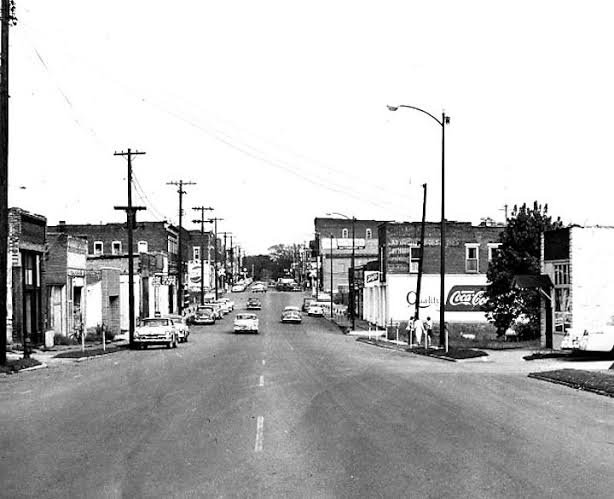
Tobacco smoke, chalk, floor dust and stale basement air were part of the old poolroom atmosphere.

The Subterranean Choir
Ball, wood, slate and conversation—the old poolroom had a sound all its own.
The Mother-of-Pearl Mirage
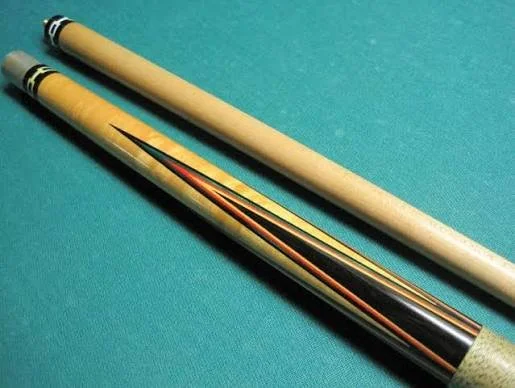
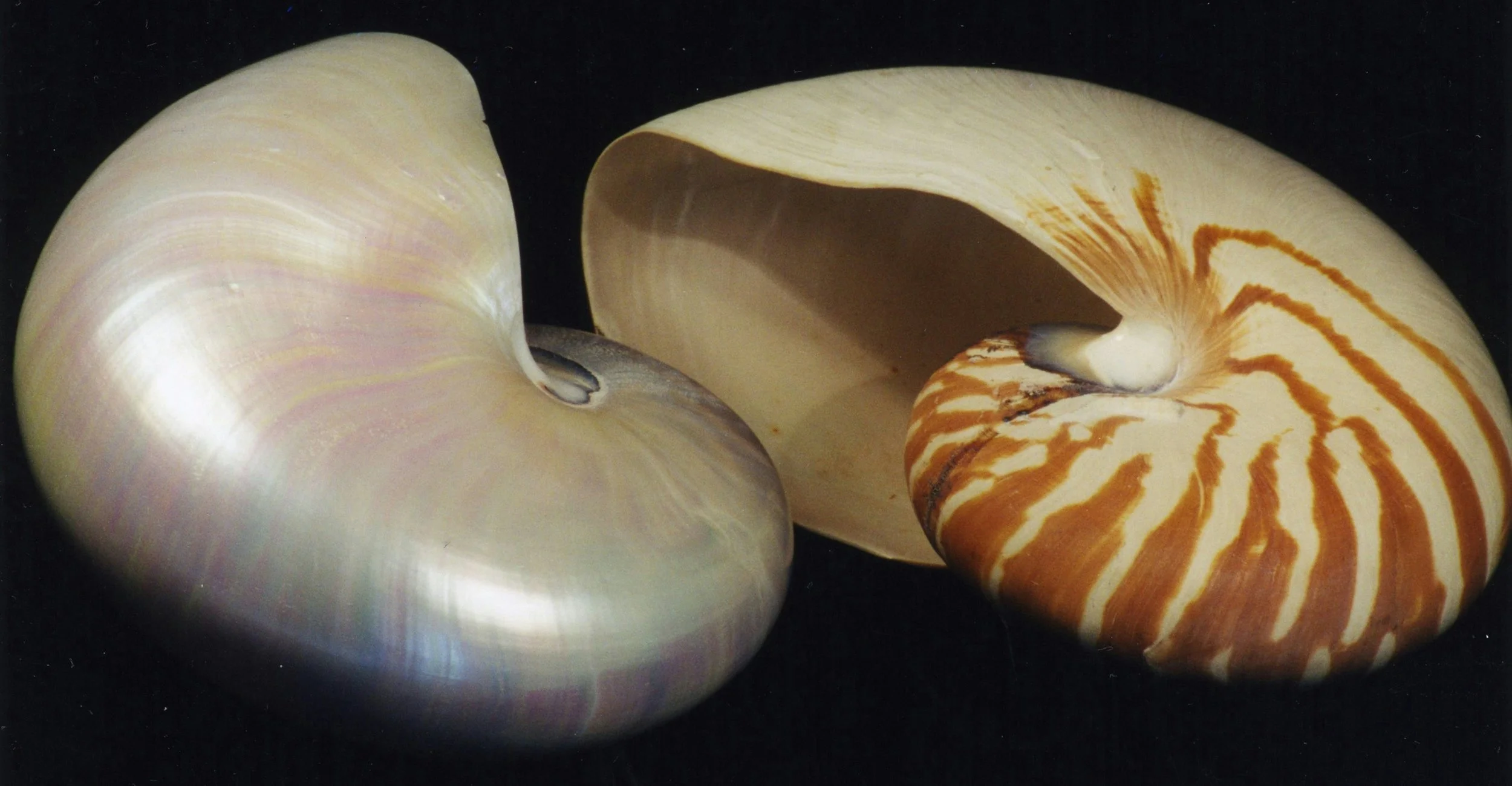
Points, veneers, ivory and linen—the details that turned a custom cue into a personal instrument.
The Ivory Ball Era & The Search for a Better Cue Ball
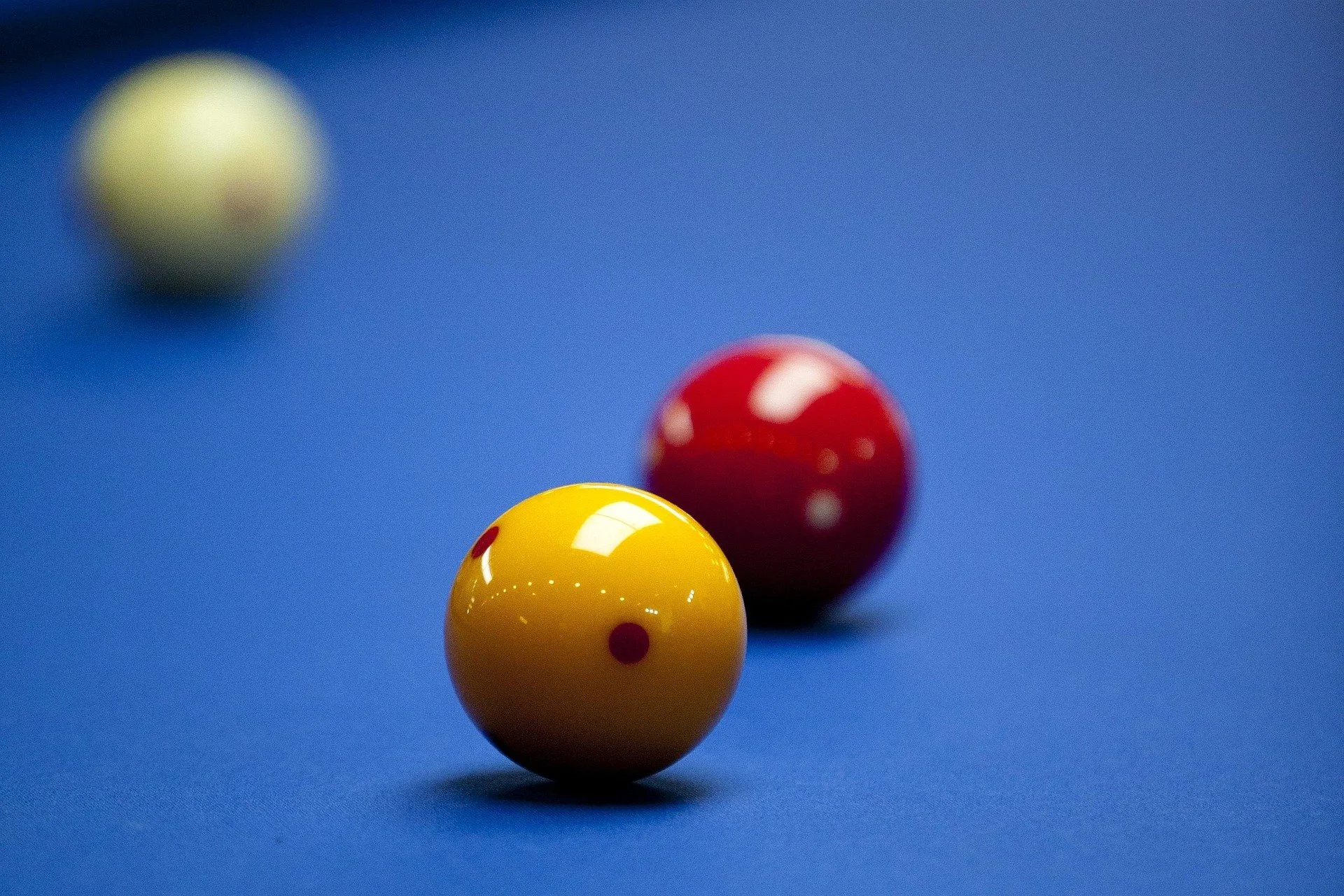
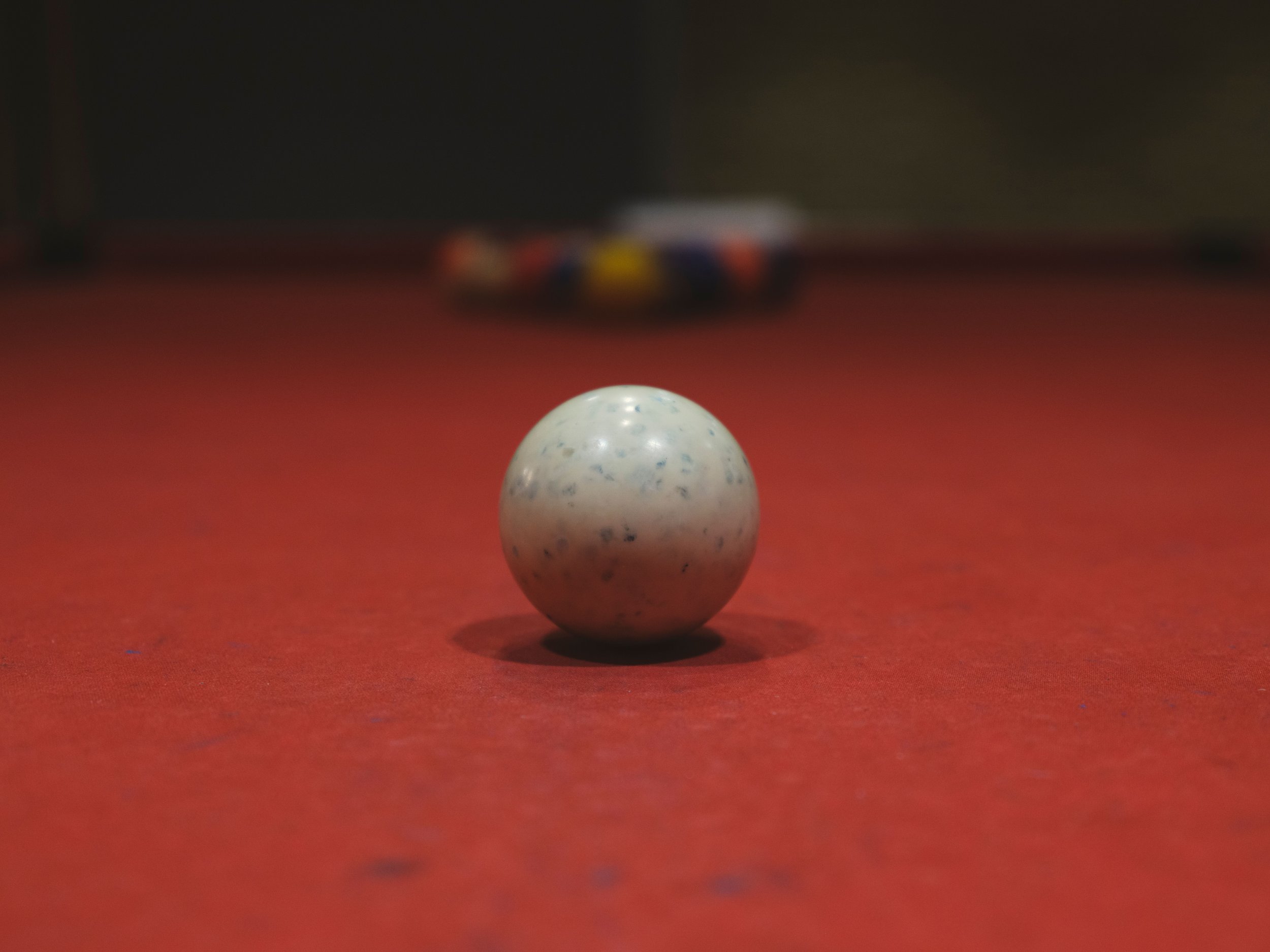
From natural ivory to early plastics and modern phenolic resin, the cue ball went through its own technological revolution.
The Tip and the Ferrule—Maintaining the Point of Impact
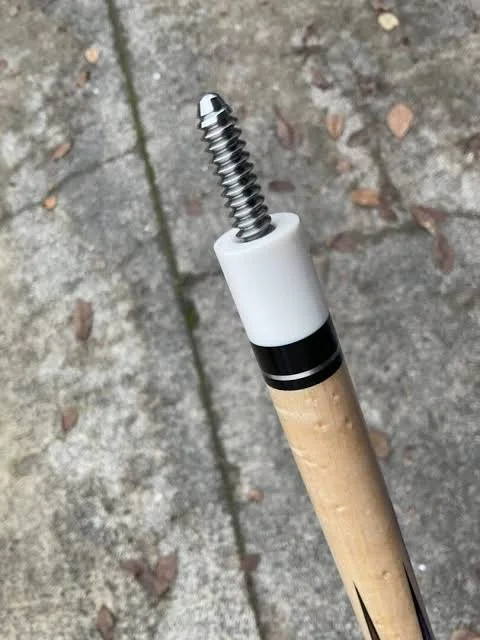
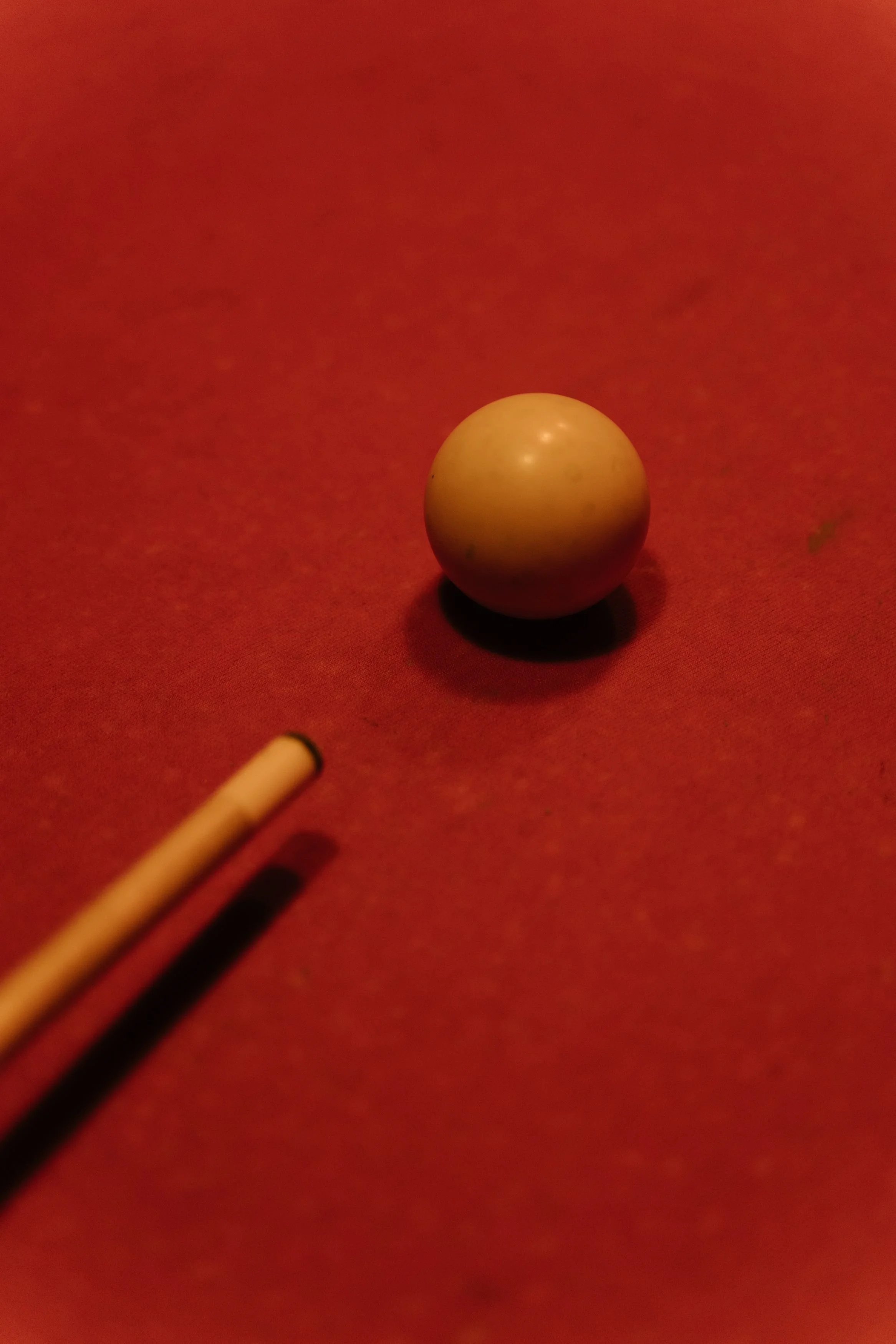
Hard and soft leather, scuffed surfaces, burnished edges, and the daily maintenance of a player's most important contact point.
The Leather Drop Pocket: The Mechanics of the Silent Catch
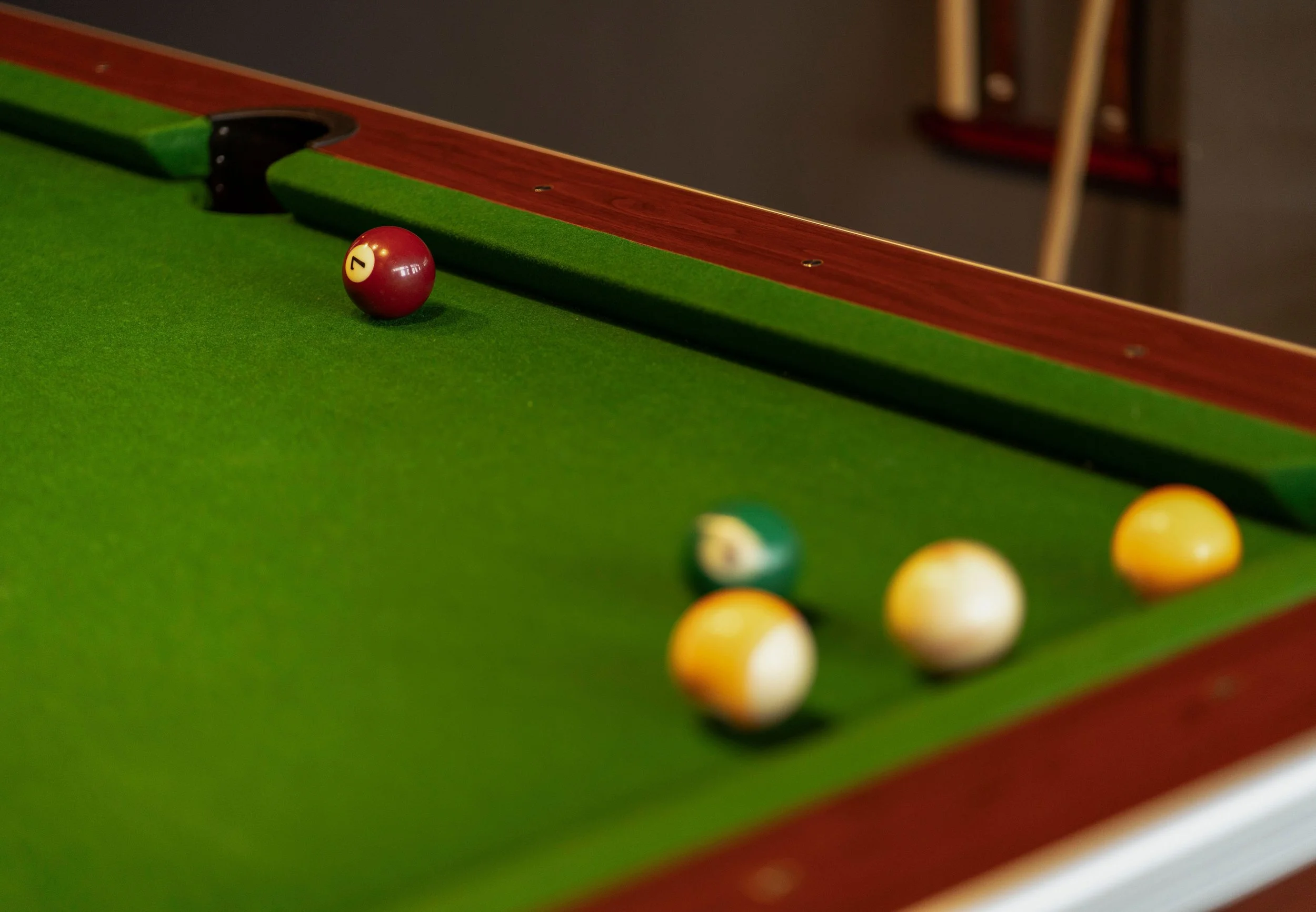
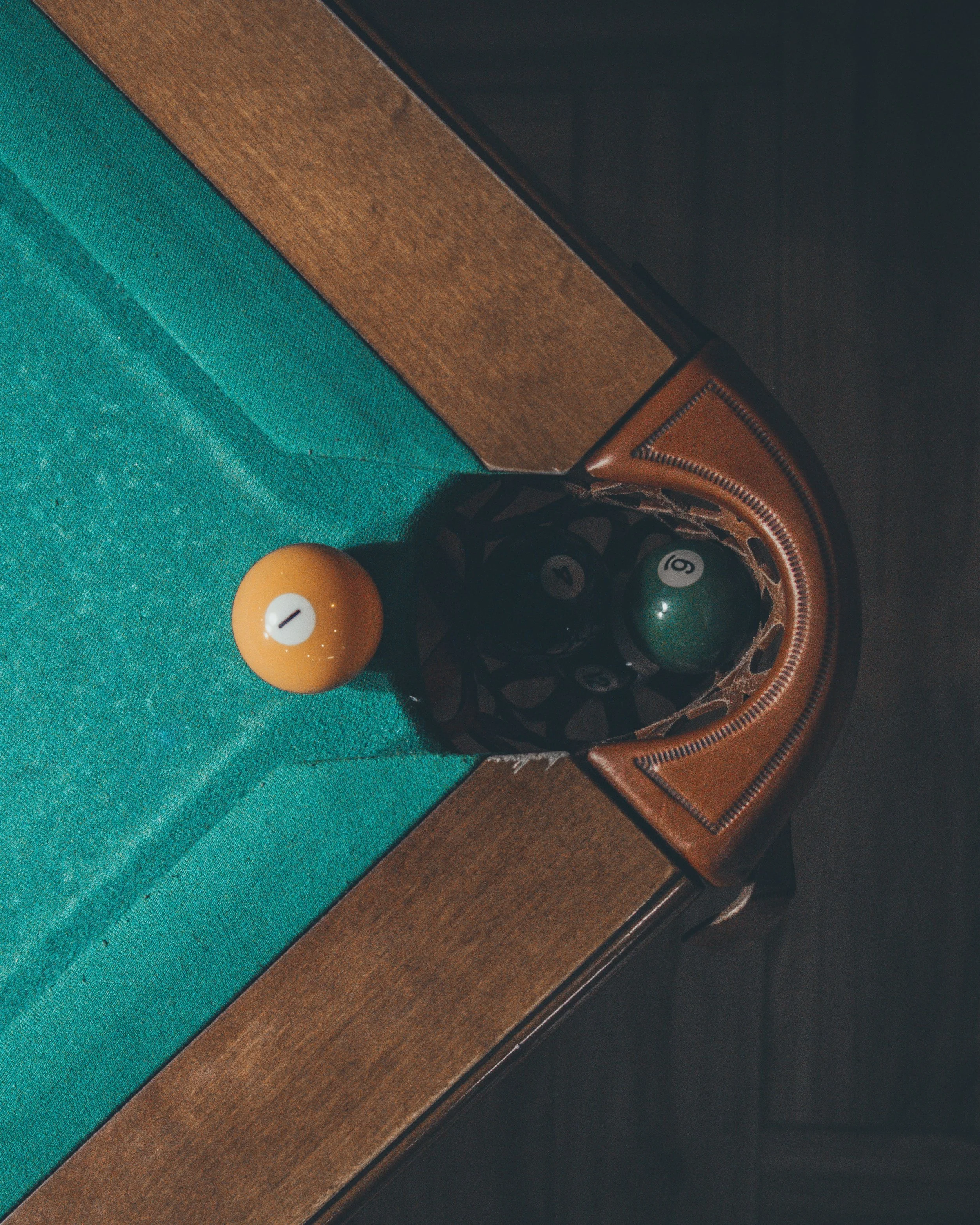
Iron hardware, leather and netting—the old-fashioned pocket was more than decoration. It was the final piece of the table's machinery.